Archives
- 2026-06
- 2026-05
- 2026-04
- 2026-03
- 2026-02
- 2026-01
- 2025-12
- 2025-11
- 2025-10
- 2025-09
- 2025-03
- 2025-02
- 2025-01
- 2024-12
- 2024-11
- 2024-10
- 2024-09
- 2024-08
- 2024-07
- 2024-06
- 2024-05
- 2024-04
- 2024-03
- 2024-02
- 2024-01
- 2023-12
- 2023-11
- 2023-10
- 2023-09
- 2023-08
- 2023-07
- 2023-06
- 2023-05
- 2023-04
- 2023-03
- 2023-02
- 2023-01
- 2022-12
- 2022-11
- 2022-10
- 2022-09
- 2022-08
- 2022-07
- 2022-06
- 2022-05
- 2022-04
- 2022-03
- 2022-02
- 2022-01
- 2021-12
- 2021-11
- 2021-10
- 2021-09
- 2021-08
- 2021-07
- 2021-06
- 2021-05
- 2021-04
- 2021-03
- 2021-02
- 2021-01
- 2020-12
- 2020-11
- 2020-10
- 2020-09
- 2020-08
- 2020-07
- 2020-06
- 2020-05
- 2020-04
- 2020-03
- 2020-02
- 2020-01
- 2019-12
- 2019-11
- 2019-10
- 2019-09
- 2019-08
- 2019-07
- 2019-06
- 2019-05
- 2019-04
- 2018-11
- 2018-10
- 2018-07
-
Structural changes within the heteromer induced by agonist a
2020-12-08
Structural changes within the heteromer induced by agonist administration show a high level of complication. The presented results obtained in quantitative FLIM-FRET measurements with two selective ligands match the qualitative conclusions indicated by changes in the intracellular calcium level. The
-
br Introduction In addition to the canonical double stranded
2020-12-08
Introduction In addition to the canonical double stranded structure, DNA can form various higher order structures such as bulges, and various kinds of mismatches, triplexes, to the G-quadruplex (G4). Over the past decades, accumulating evidence has begun to emerge that these non-canonical structu
-
Analysis of Table shows that compound b in
2020-12-08
Analysis of Table 1 shows that compound 7b, in which the biphenyl scaffold does not bear any substituent, displays its inhibitory potency in the micromolar range (IC50 = 11 μM). If the amide bridge is moved from position 1 to 3 of the biphenyl system, product 7c is yielded, whose potency is about 4
-
br Discussion Electroporation is a convenient and efficient
2020-12-08
Discussion Electroporation is a convenient and efficient way to introduce foreign material into Amprolium HCl [10], [16], [17], [18]. There are a lot of different protocols for transfection with electroporation. It was reported that there are several parameters that are relevant to successful ele
-
br Acknowledgements br This work was supported by grants fro
2020-12-08
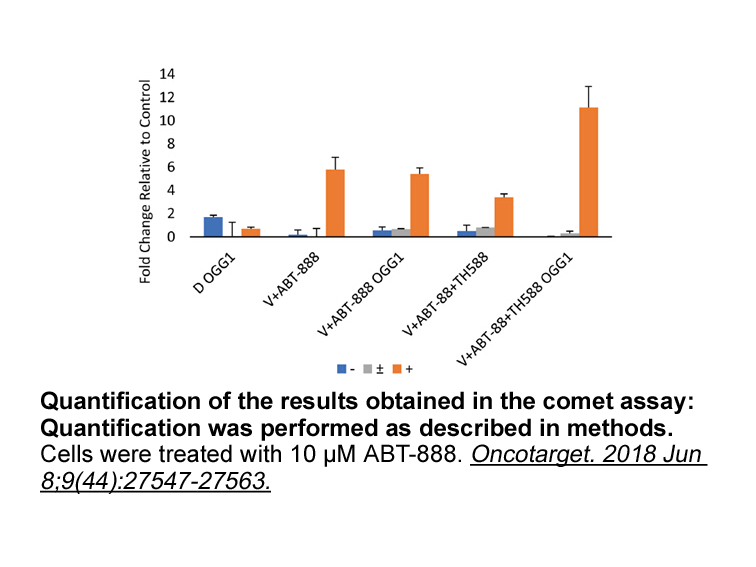
Acknowledgements This work was supported by grants from the National Natural Science Foundation of China (Grant No.: 30260088) and the prophase research for National “973” Project of China (Grant No.: 2007CB116203). The DNA sequences of Hbvp1 and the Hbvp1 promoter were deposited in GenBank, an
-
Cystatins are potent inhibitors of
2020-12-08
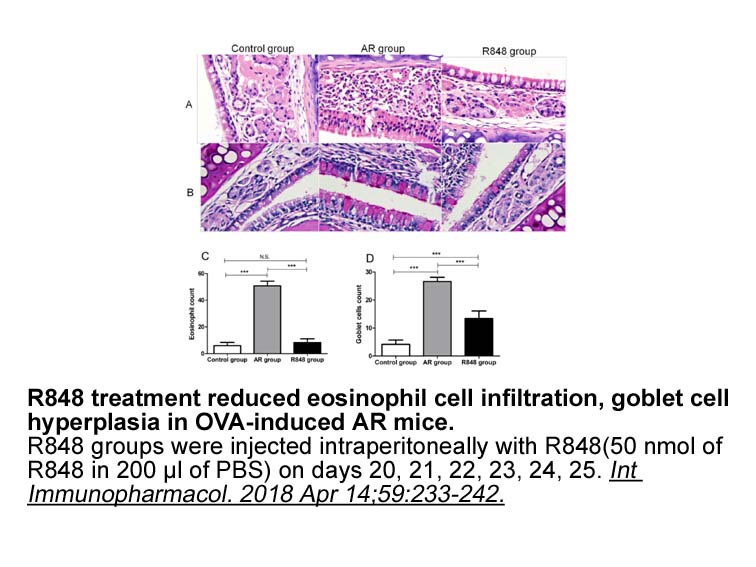
Cystatins are potent inhibitors of cysteine proteases from the C1A family. These inhibitors primarily reduce the activities of cathepsin L-like proteases, although high concentration of barley cystatin hampers the degradation of storage proteins caused by cathepsin F-like protein (HvPap-1) (Cambra e
-
Previous studies on the chemokines role in
2020-12-08

Previous studies on the chemokines role in depression are not detailed enough, and cannot sufficiently demonstrate even a hypothetical mechanism explaining the differences in levels of particular chemokines and their receptors, in relation to the severity of depression [29], [30]. Previous studies o
-
Several RNA BPs like the
2020-12-08
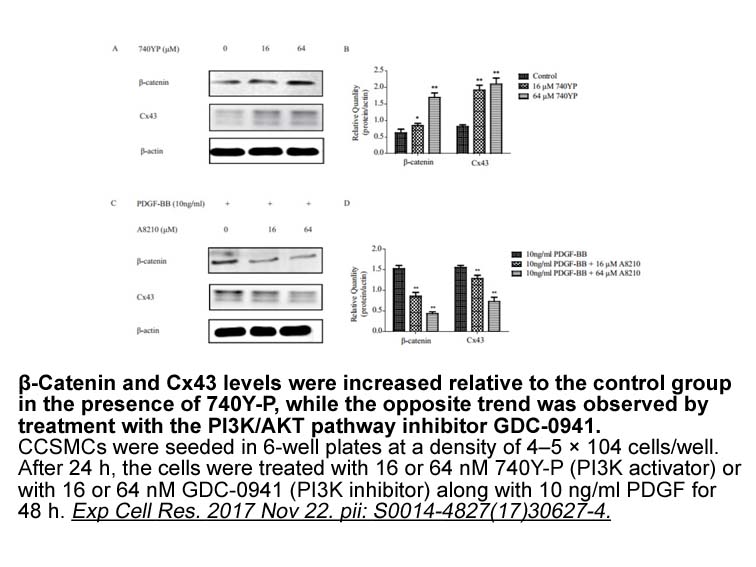
Several RNA-BPs, like the ELAV protein family member HuR, tristetraprolin (TTP) or the KH-type splicing regulatory protein (KSRP) have been shown to interact with these AREs and thereby lead to stabilization or destabilization of the mRNA [5]. Control of nucleocytoplasmic mRNA export is also very i
-
br Conclusions br Acknowledgments This work was supported by
2020-12-08

Conclusions Acknowledgments This work was supported by a grant from NIH from the National Institutes on Arthritis and Musculoskeletal and Skin Diseases [AR056092]. Introduction Prior exposure to stressors has been consistently associated with the manifestation and/or exacerbation of psychi
-
Although many neurotransmitters e g catecholamines serotonin
2020-12-08
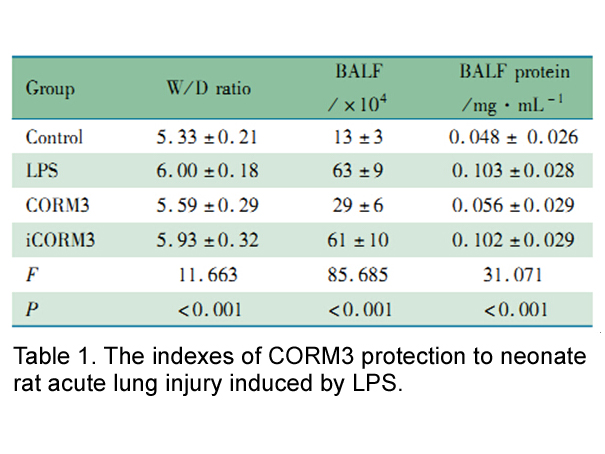
Although many neurotransmitters (e.g., catecholamines, serotonin, and excitatory/inhibitory amino acids) have been implicated in the modulation of anxiety-like responses (Carobrez et al., 2001, Molchanov and Guimaraes, 2002, Vianna et al., 2001), the so-called atypical neurotransmitters, endocannabi
-
There have been attempts to
2020-12-08
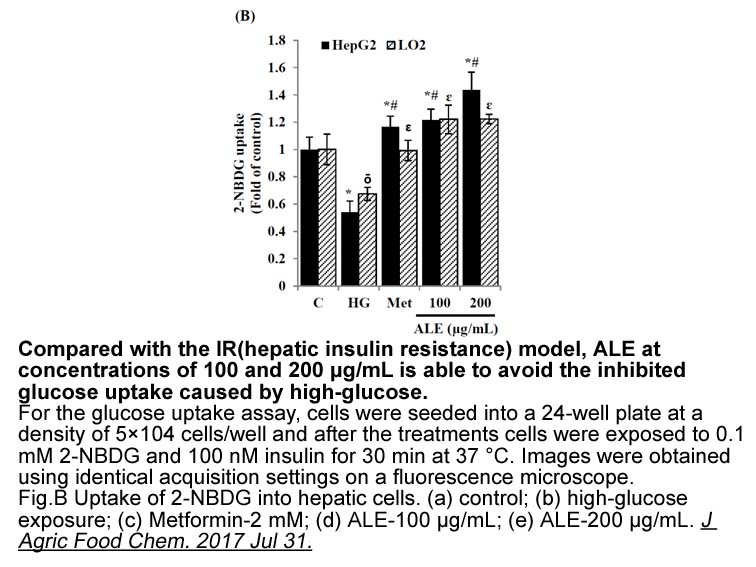
There have been attempts to stimulate the dopaminergic system to influence cognition in women around menopause who have subjective complaints about their cognition by Epperson et al. (Epperson et al., 2011, Epperson et al., 2015). In perimenopausal and postmenopausal women, Epperson et al. found tha
-
We have previously reported that CK is downregulated
2020-12-08
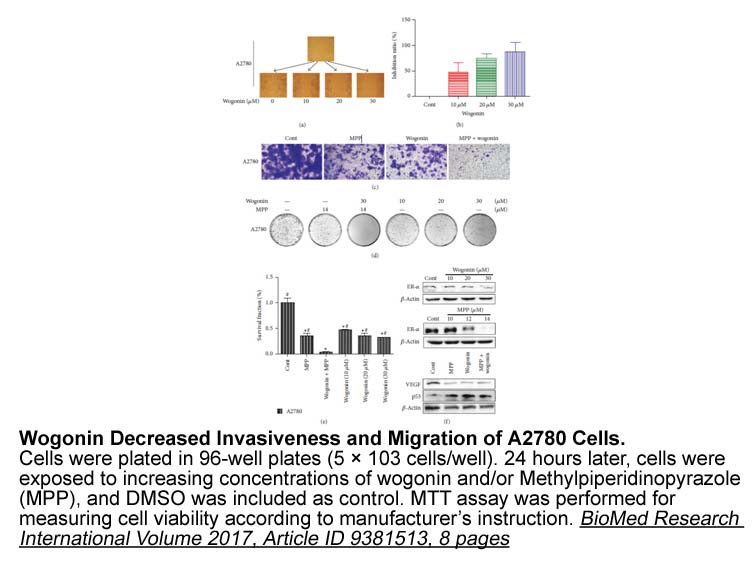
We have previously reported that CK2 is downregulated in senescent human lung fibroblast IMR-90 cells, aged rat tissues, and aging nematodes [17,18]. CK2 downregulation induces cellular senescence via the PI3K-AKT-mTOR-reactive oxygen species-p53-p21Cip1/WAF1 pathway in human cells [[19], [20], [21]
-
br Conclusions and future perspectives
2020-12-07
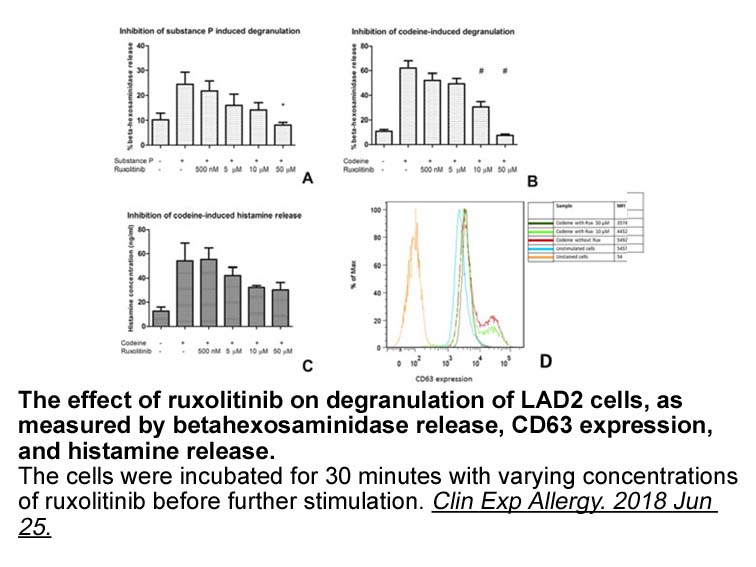
Conclusions and future perspectives It is now evident that selective ETA or nonselective endothelin receptor antagonism provides therapeutic potentials against a variety of cardiovascular diseases such as hypertension, PAH, and diabetic microvascular dysfunction (Fig. 1). However, PAH is currentl
-
The action of pt PGE
2020-12-07
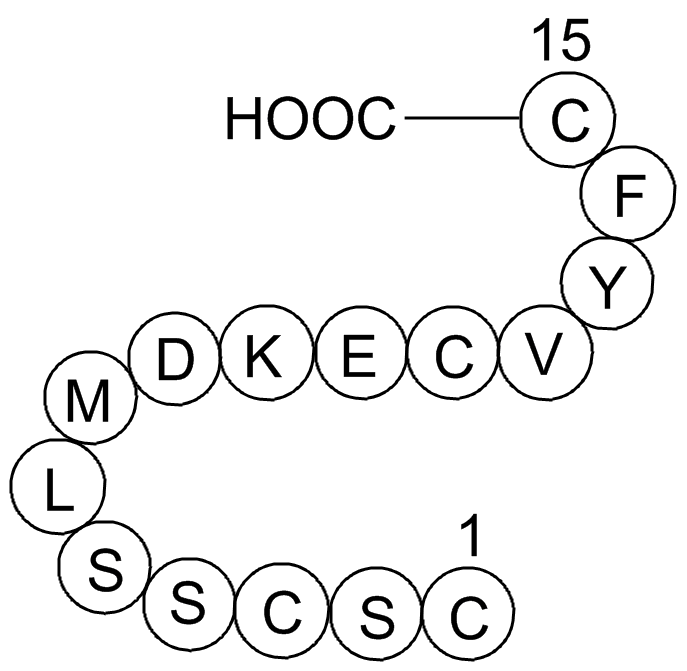
The action of 17-pt-PGE2 as an EP1 receptor agonist [34] was demonstrated in several experimental settings, including cancer, neurons, vascular system, kidney and was confirmed by application of EP1 receptor selective antagonists [35], [36], [37], [38], [39], [40], [41]. Receptor binding studies in
-
Grapiprant is a selective antagonist for prostaglandin E
2020-12-07
Grapiprant () is a selective antagonist for prostaglandin E (PGE) receptor subtype 4 (EP4) identified as a clinical candidate for the treatment of inflammatory pain associated with osteoarthritis (OA). It is currently under development for use in humans and dogs. The projected dosing regimen of grap
16753 records 784/1117 page Previous Next First page 上5页 781782783784785 下5页 Last page